What happens if you fail the eyesight check on a driving test? Under GOV.UK’s rules for the DVSA car test, the test ends there, the result is a fail, DVLA is told and the licence is revoked. This guide uses an illustrative scenario to walk through what the rules say, what follows, and how to avoid the problem. It covers the car test as GOV.UK describes it for Great Britain and does not cover Northern Ireland.
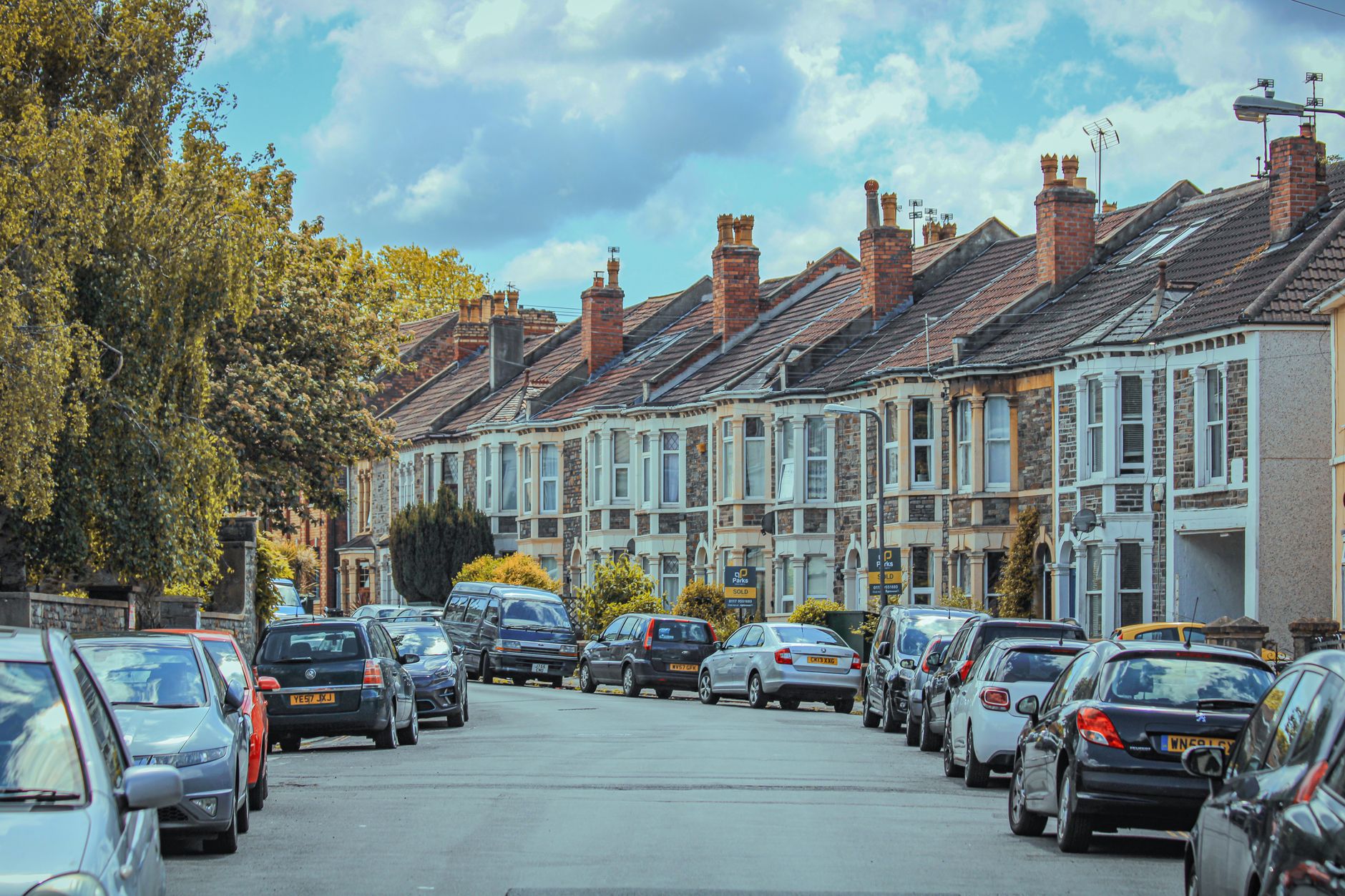
An illustration: the forgotten glasses
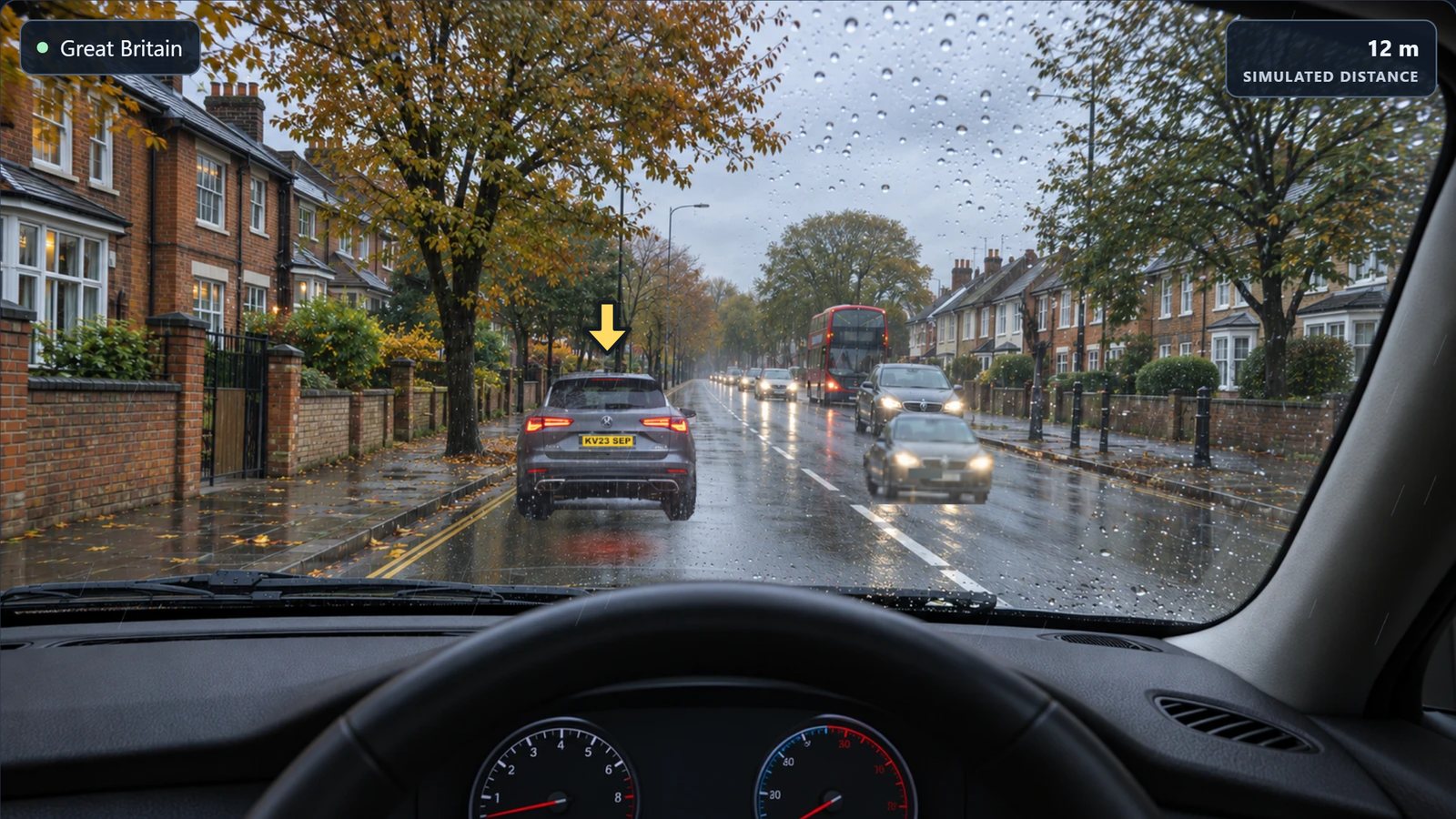
Imagine a learner, here called Sam, who wears glasses for distance but leaves them at home on test day. At the start of the test the examiner points to a parked car and asks Sam to read its number plate. Sam cannot make it out. This is an invented example, not a real case, but it shows the sequence the rules describe.
What the eyesight check involves
GOV.UK’s page on what happens during the car test says the candidate must read a number plate from:
- 20 metres for vehicles with a new-style number plate
- 20.5 metres for vehicles with an old-style number plate
New-style plates start with 2 letters followed by 2 numbers, such as AB51 ABC. DVSA’s guidance for driving examiners states the requirement in full: reading, in good daylight and with glasses or contact lenses if worn, a registration mark fixed to a motor vehicle with letters and figures 79 millimetres high and 50 millimetres wide, at a distance of 20 metres.
GOV.UK’s guide to understanding the car test result adds that the candidate will have had 3 chances to read the plate correctly.
What happens when the check is failed
In Sam’s case, the rules set out the following:
- The test ends. GOV.UK says the candidate will fail the driving test and the test will not continue.
- DVLA is told and the licence is revoked, according to GOV.UK’s driving eyesight rules page.
- Another test has to be booked and paid for.
- When reapplying for a licence, DVLA will ask for an eyesight test with DVSA, held at a driving test centre.
- Even after passing that, the standard DVSA eyesight check still has to be passed at the next practical test.
The result guidance also says that anyone who needs glasses or contact lenses must bring them to their next test. What happens after DVLA is told about an eyesight problem more generally is covered in our guide to reporting an eye problem to DVLA.
The standard behind the check
The number plate check sits alongside the wider standards of vision for driving. GOV.UK says drivers must:
- be able to read a number plate from 20 metres away, which it describes as about the length of 5 parked cars
- have a visual acuity of at least decimal 0.5 (6/12) on the Snellen scale, with glasses or contact lenses if necessary, using both eyes together or, with sight in one eye only, in that eye
- have an adequate field of vision
Anyone who needs glasses or contact lenses to meet these standards must wear them every time they drive, and GOV.UK warns that driving without meeting the standards could lead to prosecution. Where the 20 metre rule comes from, and how it is enforced at the roadside, is explained in our guide to the 20-metre number plate rule.
Adjustments for dyslexia
GOV.UK’s result guidance says candidates with dyslexia can declare it when booking the test, and can then write down the vehicle registration instead of reading it out.
What may change
In a consultation on driving test availability and processes, the government proposed changing the law so that the eyesight check could take place in any level of light, not just good daylight, and could use other methods. In the consultation outcome (updated 30 March 2023), 41.9% of respondents agreed with removing the good daylight requirement and 58.3% agreed with DVSA having flexibility to check eyesight by other means.
The outcome says DVSA will look at options for an alternative method that does not depend on good daylight or reading a car number plate, is exploring this with DVLA’s Medical Panel, and will need to test any alternative thoroughly. A 2022 DVSA blog post mentioned a tablet as one possible method. Until any change is made, GOV.UK’s test pages describe the number plate check.
How Sam could have avoided it
- Bring the glasses or contact lenses used for driving, which GOV.UK’s result guidance says must be brought to the next test.
- Practise reading plates at the correct distance; our guide to measuring 20 metres explains how.
- Treat an online screen check as a rough guide only; our article on online eyesight checks sets out what they can and cannot show.
- For when an optician’s eye test may be worth booking, see our guide to eye tests for drivers.
The bottom line
On a DVSA car test, failing the number plate check ends the test, counts as a fail and leads to DVLA revoking the licence, with a DVSA eyesight test needed when reapplying. Bring any glasses or contact lenses used for driving, check distance vision well before test day, and declare dyslexia when booking if it applies.
Sources
- Driving test: cars: What happens during the test (gov.uk, read 25 November 2026)
- Driving eyesight rules (gov.uk, read 25 November 2026)
- Understanding your driving test result: Car driving test (gov.uk, DVSA)
- Carrying out driving tests: examiner guidance, 1. Car driving test (gov.uk, DVSA, updated 14 September 2026)
- Improving driving test availability and processes: consultation outcome (gov.uk, updated 30 March 2023)
- What the driving test eyesight check might be like in the future (despatch.blog.gov.uk, 23 February 2022)